Connect with us

Business

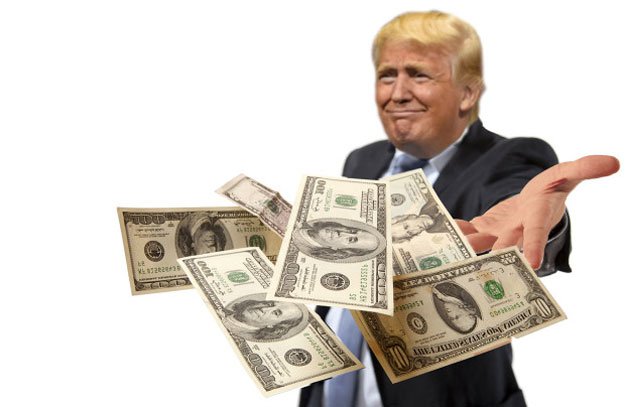
MAGA: 14 Companies Giving Back To American Employees & Economy Because Of Tax Cuts

Published

on

(Via WorldNetDaily.com)

Editor’s note: WND is chronicling the response by U.S. businesses to the biggest rewrite of the federal tax code since the 1980s Reagan administration and a tax cut of as much as $3.2 trillion in the form of this BIG LIST OF TAX-CUT PAYOFFS. It will be regularly updated as more companies respond.

WASHINGTON – Before the ink was even dry on President Trump’s signature on the Republican tax-cut bill, corporate America was not only toasting it, praising it and celebrating it, but handing out money to employees like Santa Claus.

It started with AT&T expanding its bonus program to an additional 200,000 staffers getting $1,000 apiece.

Next came Boeing announcing a gift of $300 million in investment in its employee-related charitable program “to support our heroes, our homes and our future.”

Wells Fargo and Fifth Third Bancorp announced they would raise their minimum wage to $15 in the New Year, with Fifth Third kicking in an additional bonus of $1,000 to 13,000 employees.

Thank President Trump for all his accomplishments during his first year in office. Send him a FREE card of your choice. Go to ThankTrump.us

Comcast NBC Universal anted up $1,000 bonuses to more than 100,000 non-executive employees, announcing the move was not only tied, like all the others, to the tax cut but to the Federal Communications Commission’s elimination of government regulation of the Internet. Comcast NBC Universal Chairman and Chief Executive Officer Brian L. Roberts added the company plans to spend more than $50 billion in the next five years on infrastructure investments that he expects will create “thousands of new direct and indirect jobs.”

In fact, before the bill was even passed, Kroger Chief Executive Officer W. Rodney McMullen offered that the legislation would influence his company “to continue to invest in our business, which will grow jobs.”

You might remember, former House Speaker Nancy Pelosi called the bill “Armageddon.”

What do YOU think? Will Trump tax cut ignite U.S. economy? Sound off in the WND Poll!

Here’s the growing BIG LIST of companies reacting to the tax cuts with bonuses, more pay and expansion leading directly to new jobs:

U.S. Bank of America employees making up to $150,000 per year in total compensation – about 145,000 teammates – will receive a one-time bonus of $1,000 by year-end.
PNC Financial Services will give $1,000 bonus to about 47,500 workers.

New Braunfels-based Rush Enterprises of Texas is giving each of its 6,600 employees a $1,000 bonus – a total of $6.6 million. Chief Financial Officer Steven Keller said: “You’ve got a choice – we could’ve kept it and stuffed it in the company bank account or coffers, or we can share it with the people.”

Associated Bank in Wisconsin boosted its minimum hourly wage to $15 and paying workers a $500 bonus.

Idaho health-care and home-products company Melaleuca Inc. is providing its 2,000 employees $100 bonuses for every year they worked for the company. The company has 147 employees who have worked for the company for 20 years or more.

In Hawaii, Royal Hawaiian Heritage Jewelry plans to open up three more shops – in Honolulu, in Kauai and Maui in addition to its existing three shops.

Washington Federal in Seattle will increase wages for most of its workers by 5 percent and is adding 25 people to its information-technology staff.

Aquesta Financial Holdings in Cornelius, N.C., will raise hourly pay to $15 and will be giving $1,000 bonuses to all of it workers.

Canary LLC announced it will hire new employees and purchase more equipment.

AT&T expanding its bonus program to an additional 200,000 staffers getting $1,000 apiece.

Boeing gift of $300 million in investment in its employee-related charitable program “to support our heroes, our homes and our future.”

Wells Fargo raises minimum wage to $15.

Fifth Third raises minimum wage to $15 and offering bonuses of $1,000 to 13,000 employees.

Comcast NBC Universal anted up $1,000 bonuses to more than 100,000 non-executive employees.

Continue Reading
Click to comment

Leave a Reply

Your email address will not be published. Required fields are marked *

Business

Enjoy Your Tasty Wheat: How AI Corporate Greed is Killing Humanity

Published

on

Why the elite have decided it’s better to feed machines than humans.

We have a lower class of CEOs. And AI is making it worse.

In the past, these titans of industry would invest in their communities: libraries, public works projects, parks, or actual philanthropy.

Today’s C-suite “geniuses” engage in fake activism, bribery disguised as donations, and a complete nihilism from the communities they proclaim to serve at the safety of their gated communities.

It used to be a source of great pride for an owner to discuss how many employees they have. They would boast about how they put food on the table for families. They would talks about benefits, and how well they take care of their workers. Hell, they used to even describe them as “family.”

Now, they can’t wait to tell shareholders how they automate everything themselves, outsource to foreign countries for pennies on the dollar, and utilize AI to cut their entire labor force (we will get to this soon.)

The common thread is that those at the top are completely divorced from their workforce, the very people that happen to also be their consumers.

This was the situation largely even before AI. It’s gotten worse. They are absolutely foaming at the mouth to displace workers.

The only way to describe it is a race to the bottom. Investing millions into replacing humans with AI. This is already happening, and the reward has been big short-term gains from cutting jobs that look like more profitability to investors.

What’s more is that these AI data centers need billions of gallons of water, insane amounts of electricity, and tons of facilities to expand growth. It’s so astronomical they’re talking about moving it into space.

Think about it for a minute: companies would rather provide “drinking” water, “feed” electricity, and pay to “house” MACHINES instead of paying a living wage to people.

In fact, it might even be cheaper to pay a living wage. That isn’t stopping industry leaders from chasing their human-less dreams, despite it taking less energy and resources for humans. Yet they’re still choosing machines.

They are even willing to operate at a loss simply for the idea that they can save the cost of paying a wage.

There are a few outcomes that are possible:

Best case: AI hype is exposed as overblown and companies understand that it’s simply a tool and they need actual operators behind the steering wheel. AI starts creating more jobs. It seems unlikely, but given that AI in actuality produces more slop than creative, it’s possible.

Worst Case: The arms race of displacing workers continues. Their greed hasn’t ever really showed signs of waning. To supplement the slop it creates, they will use freelance labor from countries like India to extinguish the fires it creates and justify not needing a full time employee. They will stop at nothing to chase their goal of a technocracy to increase profits. (Note: They think they don’t need you to even buy their products with the top 1% buying 50% of the goods.)

They trained AI on your work, fired you to save money, flooded the world with soulless garbage, empty warehouses, and call it innovation.

To them I say: enjoy your tasty wheat.

Continue Reading

Business

MAGA: From Shopping Mall to Manufacturing Hub 2.0

Published

on

Title: America’s Transition: From Shopping Mall to Manufacturing Hub 2.0

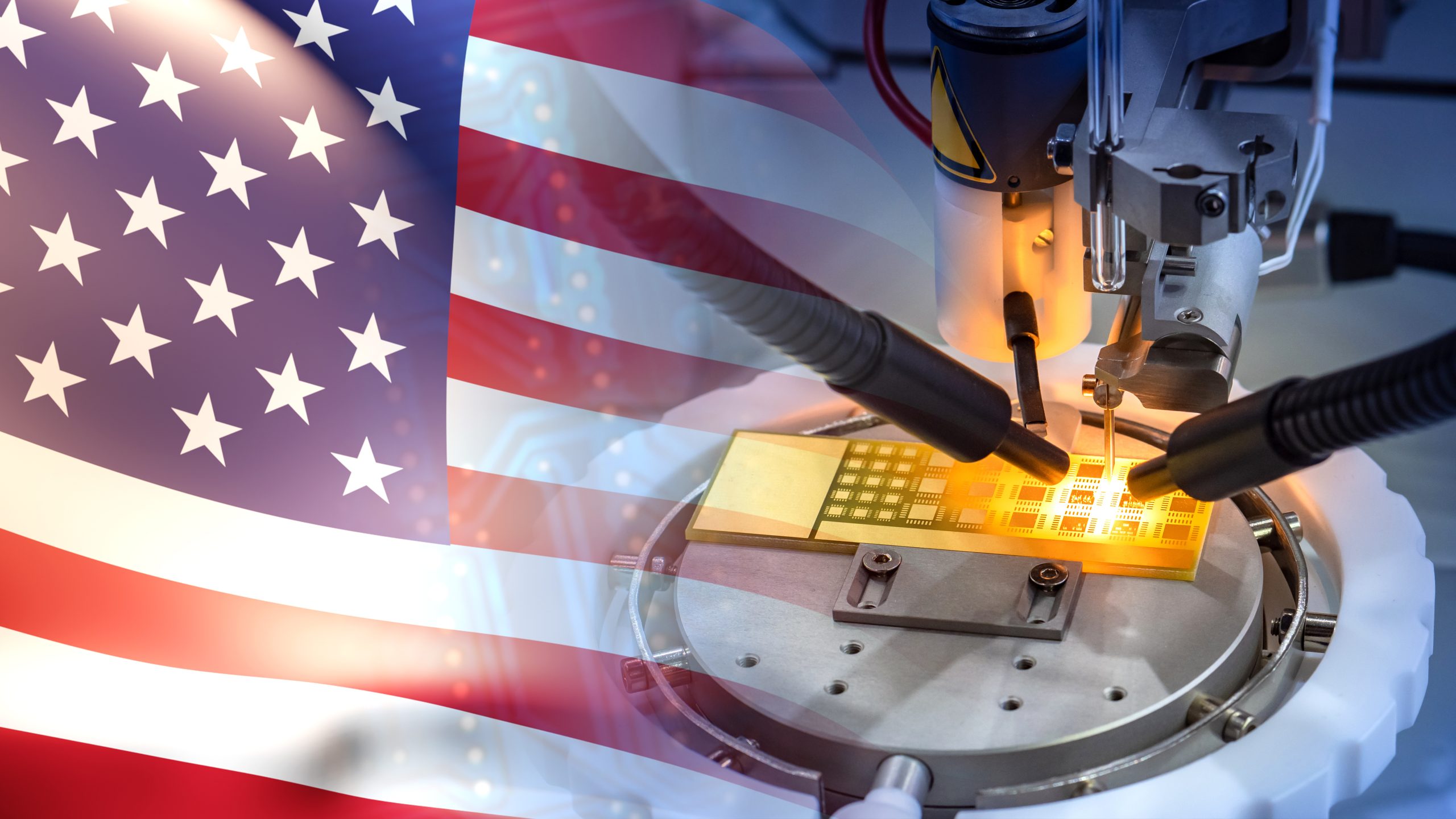
In the past few decades, America has often been described metaphorically as a giant shopping mall or auction house, where consumption and commercialism have dominated the landscape. However, with the rise of the Trump administration and the ambition to “Make America Great Again,” a new vision is emerging—one that aims to transform the nation into the world’s greatest manufacturing hub ever seen, leveraging AI, blue-collar labor, and a combination of innovative technologies.

The shift from a consumer-driven economy to a production powerhouse signifies a strategic move towards self-sufficiency, economic resilience, and global competitiveness. This transformation is not merely about revitalizing industries of the past but embracing cutting-edge technologies and sustainable practices to redefine the future of manufacturing.

At the heart of this evolution lies the integration of artificial intelligence (AI) into manufacturing processes. AI-driven automation streamlines production, enhances efficiency, and reduces costs, enabling American manufacturers to compete on a global scale. By harnessing the power of machine learning and predictive analytics, businesses can optimize supply chains, minimize waste, and customize products to meet diverse consumer demands.

However, the vision for America’s manufacturing renaissance extends beyond technological innovation. It embraces a diverse workforce, blending the traditional blue-collar skillset with the expertise of engineers, data scientists, and software developers. This fusion of talent creates a dynamic ecosystem where creativity, problem-solving, and collaboration drive continuous improvement and sustainable growth.

Moreover, the resurgence of American manufacturing is not confined to a single sector but encompasses a broad spectrum of industries, from automotive and aerospace to electronics and renewable energy. By leveraging cross-disciplinary expertise and fostering strategic partnerships, the United States can position itself as a global leader in advanced manufacturing, setting new standards for quality, innovation, and sustainability.

One of the key strengths of this manufacturing transformation is its adaptability and resilience. In contrast to the volatility of global markets and supply chains, a robust domestic manufacturing base provides stability and security, mitigating risks associated with geopolitical tensions, trade disputes, and natural disasters. By decentralizing production and embracing local sourcing, America can reduce its dependence on foreign imports and safeguard its economic sovereignty.

Furthermore, the transition towards a manufacturing-centric economy aligns with broader societal goals, such as job creation, workforce development, and regional revitalization. By investing in vocational training programs, apprenticeships, and re-skilling initiatives, the United States can empower individuals from diverse backgrounds to thrive in the digital age and secure meaningful employment opportunities in the manufacturing sector.

As America embarks on this journey towards manufacturing excellence, it must also prioritize sustainability and environmental stewardship. By embracing eco-friendly practices, renewable energy sources, and circular economy principles, manufacturers can minimize their carbon footprint, reduce waste generation, and preserve natural resources for future generations.

In essence, the vision of America as the world’s greatest manufacturing hub represents a paradigm shift—one that transcends partisan politics and embraces a collective aspiration for progress, prosperity, and shared prosperity. By harnessing the transformative power of AI, blue-collar ingenuity, and interdisciplinary collaboration, the United States can reclaim its status as an industrial powerhouse and pioneer a new era of manufacturing innovation on the global stage.

As the nation embarks on this ambitious journey, it must remain steadfast in its commitment to inclusivity, sustainability, and technological leadership, ensuring that the benefits of the manufacturing renaissance are felt by all Americans and resonate across borders, shaping a brighter and more prosperous future for generations to come.

Continue Reading

Business

Outrage As Robinhood CEO Confesses To Elon Musk: DTCC Shut Down Stocks In Gamestop; AMC Surge

Published

on

Did Congressional authority allow DTCC to help defraud middle-class investors buying Gamestop and AMC?

The CEO of Robinhood admitted to Elon Musk that the DTCC – The Depository Trust & Clearing Corporation – halted trading during a call Monday morning on the Clubhouse app.

Proof: https://youtu.be/K2CEImKce6s

This is not the first time this has happened…

2008 case: https://casetext.com/case/pet-quarters-v-depository-trust-clearing

Sound familiar?

This appears to be Pet Quarters having the same issue Robinhood has today.  When Pet Quarters took it to court, the courts said something along the lines of: f*** you, don’t ever come back here (citing technicalities).

Why did they win? Well, DTCC is given the authority by Congress to regulate despite technically being a private organization

There’s more – “To date, except for one case where DTCC’s dismissal motion is pending, all of the cases either have been dismissed by the courts or withdrawn by the plaintiffs.”

Proof: https://boards.fool.com/federal-court-dismisses-lawsuit-against-dtcc-24179123.aspx

Every AG in the country should be made aware of these facts and open investigations into the matter.

Why does Congress get to deputise a private organization as eco-hitmen for the market?

UPDATE (2/3/20 5:09 AM):

(Reuters) – Robinhood Chief Executive Vlad Tenev is expected to testify before a U.S. House committee on Feb. 18, Politico reported on Monday, citing people familiar with the matter.

The hearing before the House Financial Services Committee has not been formally announced, the report added

Continue Reading

Trending

Donate to Populist Wire

*Note: Every donation is greatly appreciated, regardless of the amount.