Trump’s Blunt Rebuke of Israel and Iran: A Strategic Display of Control Amid Ceasefire Chaos
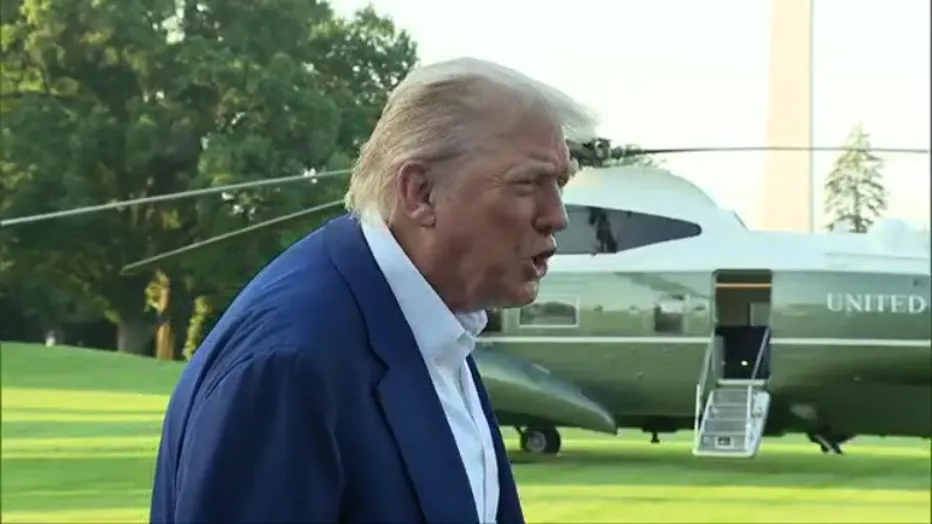
On June 24, 2025, President Donald J. Trump delivered a characteristically unfiltered assessment of the faltering ceasefire between Israel and Iran, declaring, “Two countries don’t know what the f*** they’re doing.” The comment, made to reporters as he departed for a NATO summit, underscored his frustration with both nations for violating a fragile truce brokered just a day earlier on June 23, 2025. Far from a mere outburst, Trump’s statement and the actions surrounding it reveal a calculated approach to reasserting U.S. influence over a volatile Middle East conflict, showcasing his ability to navigate and control a complex geopolitical crisis.
The Context: A Ceasefire Undermined
The ceasefire, intended to de-escalate tensions between Israel and Iran, was a significant diplomatic achievement for the Trump administration, signaling a potential pause in a conflict that has long threatened regional stability. However, within hours, Iran launched a strike that killed several people, prompting Israel to respond with a “symbolic attack” on the same day. These violations unraveled the truce, drawing global attention and risking further escalation, particularly given Iran’s nuclear ambitions and Israel’s military resolve.
Trump’s blunt remark came in response to this rapid deterioration. He expressed particular displeasure with Israel, noting that it “unloaded” on Iran shortly after the agreement, undermining the deal he had championed. “I’m really unhappy with Israel,” he told reporters, a rare public rebuke of a key U.S. ally. Yet, his criticism extended to both parties, reflecting his view that their tit-for-tat actions lacked strategic clarity and jeopardized a cycle of violence.
Why Trump Said It: A Strategic Calculus
Trump’s choice of words was no accident. His provocative language served multiple purposes, each reinforcing his ability to steer the situation:
- Reasserting U.S. Authority: By publicly chastising both Israel and Iran, Trump signaled that the United States, under his leadership, remains the dominant force in Middle East diplomacy. His frustration highlighted the U.S.’s role as the ceasefire’s architect and underscored that violations would not be tolerated without consequences. This move reminded both nations of their reliance on U.S. support—militarily for Israel and diplomatically for Iran in avoiding broader sanctions or isolation.
- Pressuring for Compliance: Trump’s bluntness was a calculated pressure tactic. By calling out Israel’s “unloading” and Iran’s initial strike, he aimed to shame both into reconsidering further violations. His urgent appeal to Israel to avoid additional strikes against Iran, labeling such actions a “serious violation” of the ceasefire, was a direct warning to an ally accustomed to significant autonomy. Similarly, his criticism of Iran’s actions reinforced his earlier stance of giving them “chance after chance” to negotiate, signaling that his patience was not infinite.
- Shaping the Narrative: Trump’s colorful language ensured his message dominated global headlines, keeping the focus on his administration’s efforts to broker peace rather than the ceasefire’s collapse. By framing Israel and Iran as directionless, he positioned himself as the clear-headed leader seeking order amid chaos. This narrative was particularly critical as he headed to the NATO summit, where allies would scrutinize his handling of the crisis.
- Balancing Domestic and International Audiences: Domestically, Trump’s tough talk resonated with his base, who value his no-nonsense style. Internationally, it sent a message to adversaries like Iran that he was not afraid to confront allies like Israel, challenging perceptions of unchecked U.S. support for Israeli actions. This balancing act strengthened his leverage in future negotiations.
Trump’s Control: Actions Speak Louder Than Words
Beyond his rhetoric, Trump demonstrated control through decisive actions that underscored his influence over the situation:
- Direct Diplomacy: Prior to the ceasefire, Trump had privately and publicly urged Israel to refrain from striking Iran, emphasizing his desire for a deal to prevent escalation. Despite Israeli Prime Minister Benjamin Netanyahu’s decision to act, Trump’s ability to extract a ceasefire agreement in the first place showcased his diplomatic clout.
- Public Rebuke as Leverage: By openly criticizing Israel, a move described as a “rare public rebuke of an ally,” Trump shifted the dynamic of U.S.-Israel relations. This signaled to Israel that U.S. support, while steadfast, comes with expectations of compliance with American-led initiatives. It also positioned Trump as a neutral arbiter, increasing his credibility with other regional players.
- Pushing for De-escalation: Trump’s comments were paired with a clear call for negotiations to resume, particularly with Iran, to address its nuclear program and prevent further strikes. His insistence that both nations “don’t know what they’re doing” was a strategic jab to nudge them toward the negotiating table, where the U.S. could dictate terms.
- Navigating NATO and Global Opinion: Departing for the NATO summit, Trump used the crisis to project strength to allies wary of U.S. foreign policy under his second term. His ability to manage the ceasefire’s fallout while engaging with global leaders demonstrated his multitasking prowess and commitment to U.S. leadership on the world stage.
The Bigger Picture: A Pattern of Control
Trump’s handling of the Israel-Iran ceasefire breach aligns with his broader foreign policy approach: bold rhetoric, strategic pressure, and a knack for keeping adversaries and allies alike off balance. His critics, such as those on X who argue he has ceded too much control to Israel, overlook the nuance of his strategy. While Israel’s actions may have tested his influence, Trump’s public frustration and diplomatic maneuvering suggest he is far from a bystander. Instead, he is actively shaping the conflict’s trajectory, using the ceasefire’s collapse as an opportunity to reinforce U.S. dominance.
Conclusion
President Trump’s June 24, 2025, statement that Israel and Iran “don’t know what the f*** they’re doing” was more than a soundbite—it was a calculated move to reassert control over a spiraling Middle East crisis. By leveraging blunt rhetoric, public rebukes, and diplomatic pressure, Trump demonstrated his ability to steer the actions of both allies and adversaries. While the ceasefire’s breach exposed the region’s volatility, Trump’s response showcased his strategic acumen, ensuring the U.S. remains the central player in the quest for stability. As he navigates this crisis, his blend of bravado and pragmatism continues to define his approach, proving that even in chaos, he knows exactly what he’s doing.