
Uncategorized
I’m a Feminist and I Have a Problem with the #MeToo Movement

I know what you’re thinking. How can a feminist not unconditionally support #MeToo, arguably one of the most significant manifestations of the late 18th, early 19th-century feminist movement? Before you jump to numerous conclusions about how privileged I am or what direction my moral compass is pointing in, consider that there are many women, even victims of rape, who have qualms about #MeToo. And with good reason.
The first time I heard about the #MeToo movement was when actress Alyssa Milano came out with allegations of sexual assault against Harvey Weinstein. My timeline exploded with one key phrase common to all posts: “#MeToo…” CBS News reported that the hashtag was tweeted nearly one million times in only 48 hours. About 4.7 million Facebook users globally posted over 12 million posts, comments, and reactions in less than 24 hours. At first glance, I thought, “Brilliant! Women are banding together to call out the toxic and perverted degenerates who have hurt them.” This was inspiring.
In what seemed like a matter of just minutes, more and more women began speaking out. Behind every woman who publicly made an accusation of sexual assault, an accusation that should never be taken lightly, there was an accused man. A filmmaker here. A Congressman there. Producers, coaches, actors, athletes, network analysts, chefs, political figures, businessmen, conductors, journalists, average Joes, you name it. All of these men…sexual predators? While it’s certainly true that there are disgusting and abhorrent men like Harvey Weinstein who have assaulted multiple women, there must be many more than just a small handful of men accused of sexual assault by the millions of women who came out as victims. Behind every single #MeToo post in the world, there is supposedly a morally corrupt, perverted, and sick sexual predator who caused immense pain and trauma.
It occurred to me that, if this is true, previous generations must have done something fundamentally wrong in raising the men of today. All of these men have somehow been conditioned to sexually assault as a product of upbringing, culture, and/or education. #MeToo’s contention is that close to 18 million women have been sexually assaulted since 1998. This then must mean that slightly fewer, considering some men assault multiple women, than nearly 18 million men are criminals. This just doesn’t make sense! That number is too high to be plausible. When I think about the 1 in 5 statistic that I heard so often before starting college three years ago, I also think about all the men I’ve encountered on Duke’s campus. How many of them are sexual predators? I believe that very, very few actually are. #MeToo, and the modern-day feminist movement in general, has turned into a man-hating frenzy, instilling fear in men lest they exhibit any behavior towards a woman that can potentially be called “sexual assault.”
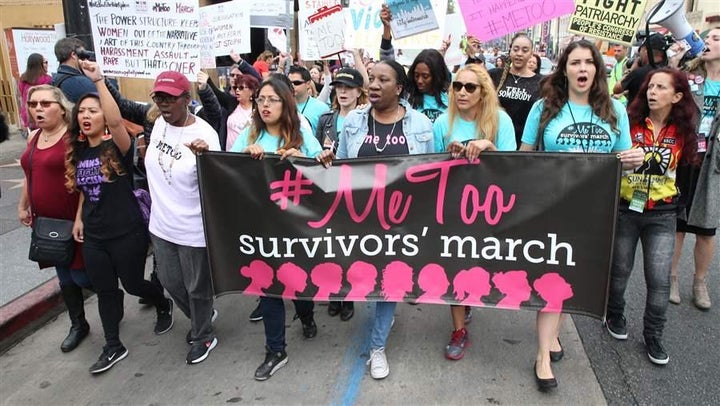
I recently read a New York Times article reporting that Mia Merrill, a feminist and former art history student, began an online petition to take down a 1938 painting by the artist Balthus from New York’s Metropolitan Museum of Art because it depicted a young girl in a “sexually suggestive pose,” which apparently constituted sexual assault. The petition had thousands of signatures. This ridiculous story reminded me of a conversation I had with a friend over dinner during winter break last year. We were talking about the image of modern-day feminism and she recounted her experience of what she directly called “sexual assault,” which went something like this:
“Last week, I was assaulted. I was sitting in a cafe and a man I had never seen before came up to me and told me I had really beautiful eyes. He continued to stare at me for about a minute before he left, and I felt very uncomfortable.”
What these two stories have in common is that they are heavily misleading. The Department of Justice defines sexual assault as “sexual activities that occur without the explicit consent of the recipient, such as forced sexual intercourse, forcible sodomy, child molestation, incest, fondling and attempted rape.” To say that experiences like that of Ms. Merill or my friend constitute sexual assault and have just as much gravitas as any other experience of sexual assault is offensive to real victims. The #MeToo movement’s conflation of someone being catcalled on the street and Annabella Sciorra being violently raped by Harvey Weinstein is highly problematic. In failing to make an essential distinction between nuanced sexual experiences, the movement is undermining itself by giving so much attention to radicals who claim that sexual assault can mean anything from a nonconsensual touch on the arm (or bad sex) to forced penetration.
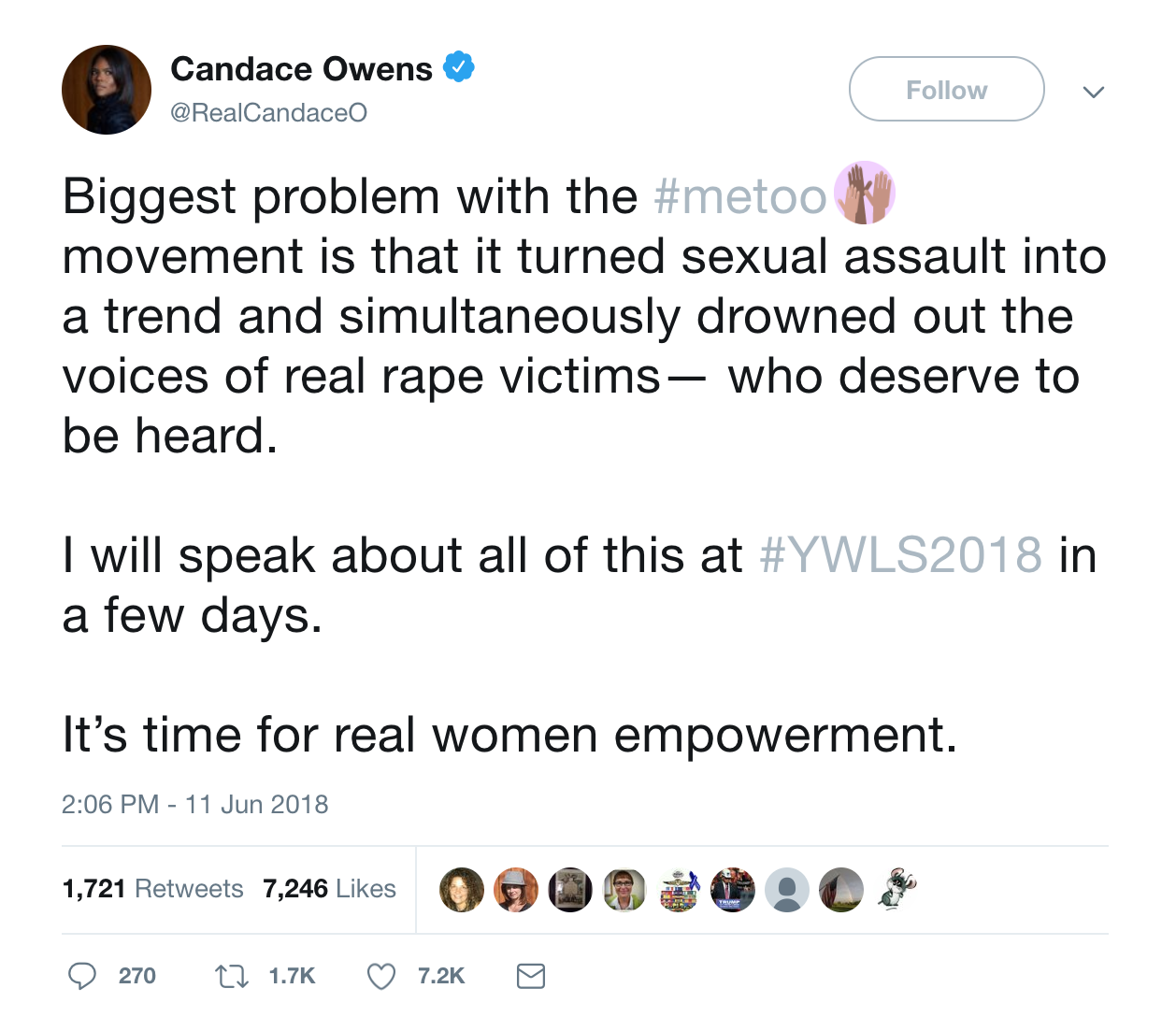
While it may seem as if such outrageous stories are rare, they’re actually more prevalent than we think. Their ubiquity makes sense. Why? Because it is highly, highly improbable that so many men, all the men who #MeToo blames, are sick enough to actually commit an atrocity like sexual assault. It makes no sense for all of these men to bear even the slightest resemblance to a monster like Larry Nassar, a former USA Gymnastics physician and child molester who sexually abused more than 150 women and was recently sentenced to 40-175 years. My contention is that women are prescribing a very loose definition to sexual assault and this “anything goes” mentality is hurting legitimate victims. Just like the story about the boy who cried wolf, there are only so many times women can cry assault before people stop listening. They not only stop listening, but they also begin to question the legitimacy of certain complaints that are, in fact, very valid.
As a traditional feminist, I believe women should be strong. They should certainly fight for their rights, but not demand special privileges to compensate for the years of oppression women endured when they didn’t have the right to vote or when marital rape was legal. As a feminist, I want feminism to be taken seriously. But assigning victimhood to an entire gender is not feminism; it’s a bad idea. It’s a reason to not be taken seriously. Calling millions of men sexual predators and condemning masculinity as a propeller of sexual assault is not feminism; it’s just making women look weak. Marching around calling people names and wearing pussy hats is not feminism; it’s failing to realize that we are undermining the struggles of actual victims.
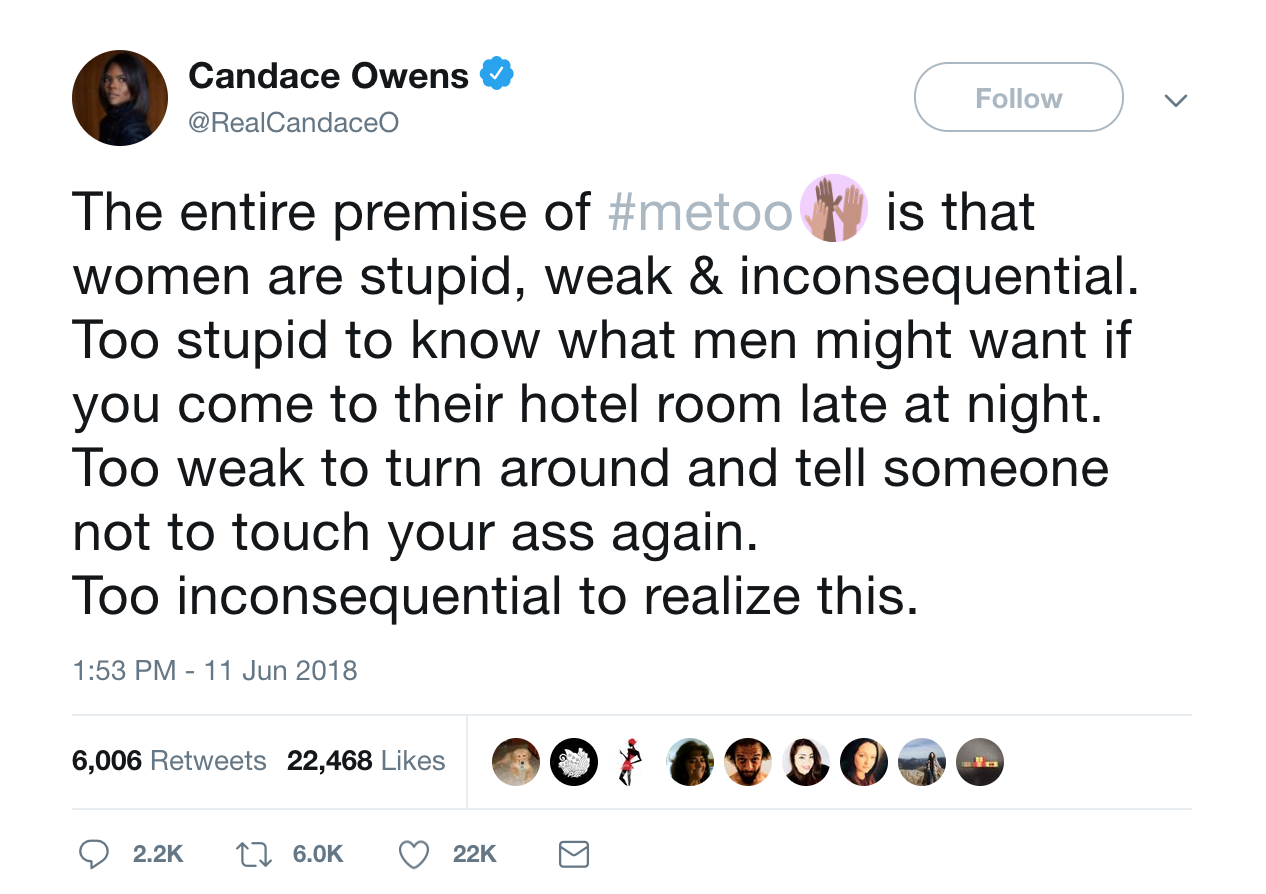
No one is arguing that sexual assault shouldn’t be talked about. It has been and to this day remains an extremely important issue, objectively. But let’s not forget how blessed we are to be women living in America. We live in a country where today, everyone is equal before the law. Our ancestors have fought tirelessly so that women can have access to countless opportunities and enjoy the same privileges as men. Our ancestors have fought courageously so that a young girl growing up in society today knows that she can do anything she sets her mind to. Women comprise 60% of students on college campuses nationwide and win more than 80% of custody battles. Meanwhile, in Africa, Asia, and South America, over 30 million girls will never have the opportunity to attend even a single day of school. It is objectively true that American women as a collective are of the most privileged in the world.
The only way the #MeToo movement can become a better movement is if feminists are more-open minded to criticism. Yes, the stories are personal and incredibly important, but that’s exactly why we should be striving to create a movement that serves those stories justice and doesn’t blow everything out of proportion. We need to take off our rose-colored glasses and recognize that #MeToo is not flawless just because it deals with an important cause. It needs to be better. Much better.
Does that mean trying to work with our President, despite disagreeing with him, instead of constantly labeling him as a misogynist and refusing to even consider anything he says or does? Does that mean listening to conservative women and realizing that they, too, believe it or not, have very important things to say? Does that mean taking a step back from being so self-absorbed in our “daily struggles as women in the United States” and paying more attention to women in Asia, the Middle East, Africa, and Eastern Europe, recognizing that our privilege puts us in a position to make their lives better? Does that mean hesitating before making an incredibly strong accusation like sexual assault? Does that mean being loud, strong, and resolute, but also open-minded, grounded, and rational? I think yes.


If you’ve been paying close attention to media, you’ll notice a variety of outlets this week hating on Alex Jones. Complex, Bill Maher, USA Today, Media Matters For America, and more have all “coincidentally” gone in on the media tychoon.
They often tout how ‘crazy’ Alex Jones and his InfoWars staff are. However, they fail to denote that Alex Jones has been 100% accurate on more than one occasion, sometimes on Nostradamus-level proportions. Without further adieu, here are six times Alex Jones got it right:
- 9/11
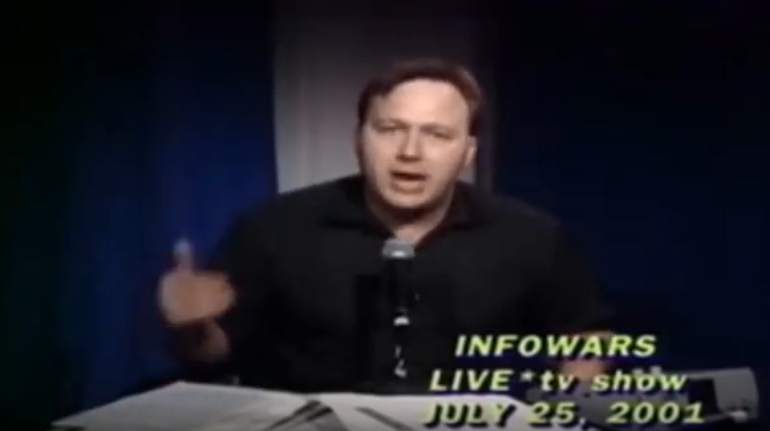
During his July 25th, 2001 broadcast, Alex detailed
- Atrazine is “turning the frickin frogs gay”
- Government Spying
- Human-Animal Hybrids
- Bohemian Grove
- A.I. Merger
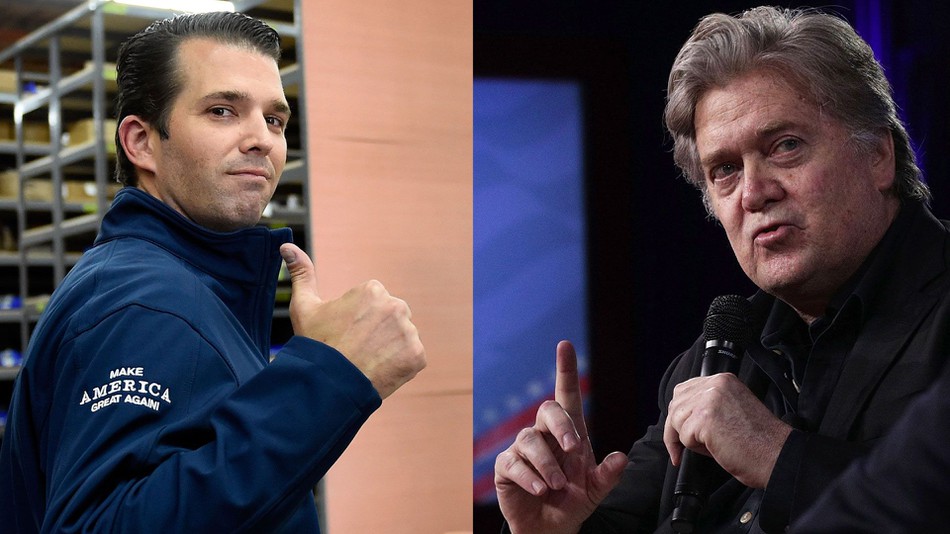
Bannon An ‘Oppurtunist’ – Trump Jr & Newt Gingrich
/
6 Times Alex Jones Was Right

Christianity and Free Speech

Randy Feenstra Built on Kim Reynolds’ Betrayal of Steve King: The Artificial Replacement Who Ousted a Conservative Warrior
I’m a Feminist and I Have a Problem with the #MeToo Movement
Bannon An ‘Oppurtunist’ – Trump Jr & Newt Gingrich
The Breakfast Club’s Greatest Misses
Blexit / WalkAway: Majority of Non-White Voters Plan To Vote Republican in Iowa’s 1st District According to NYT Poll


-
Politics3 hours ago
Bannon An ‘Oppurtunist’ – Trump Jr & Newt Gingrich
-
Politics4 hours ago
The Breakfast Club’s Greatest Misses
-
Iowa4 hours ago
Blexit / WalkAway: Majority of Non-White Voters Plan To Vote Republican in Iowa’s 1st District According to NYT Poll
-
Local News4 hours ago
Linn County, Iowa Auditor’s Office Sends Out “Sample Ballot”, Creating Confusion To Citizens
-
Media4 hours ago
Bill Maher Brings On Vaccines Skeptic, Gets Railed By Media
-
Iowa4 hours ago
Cedar Rapids Tax Payers Foot Half A Million Dollars Bill For ‘Newbo Evolve’ Music Festival
-
Culture4 hours ago
Come One Come All, to the United Circus of America
-
 Opinion4 hours ago
Christianity and Free Speech